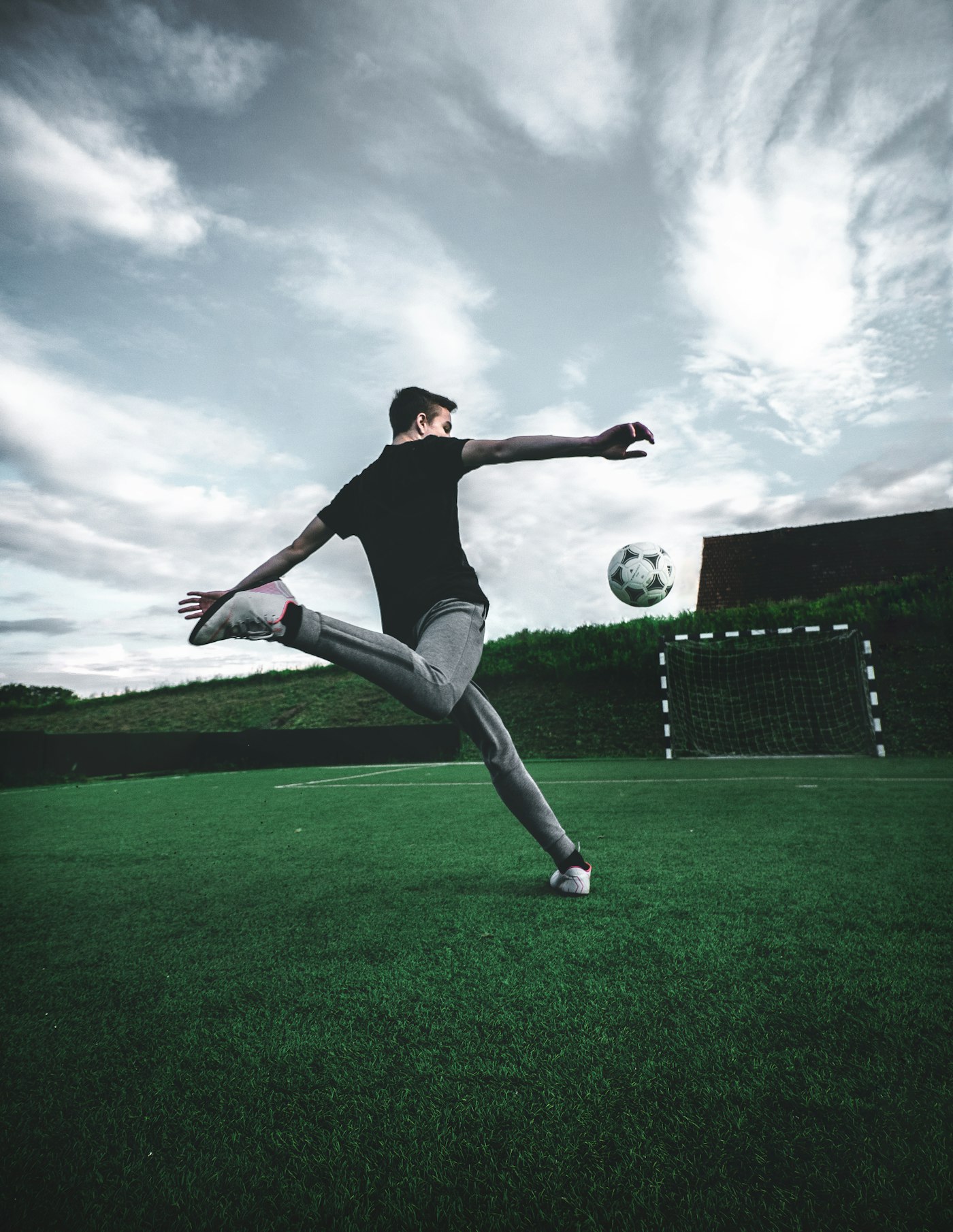
Suriname occupies a distinctive position in Caribbean sport. A CARICOM member state with deep cultural ties to both South America and the wider Caribbean, Suriname has produced athletes who have competed at Olympic, World Cup, and international championship levels in football, swimming, and martial arts. The country's sporting identity is genuinely plural, shaped by its diverse population and its geography at the intersection of two major continental sporting cultures. Football is the dominant passion, but swimming and martial arts have also produced internationally recognised performers who represent the full potential of Surinamese athletic development.
The common thread across all three of these sports is the same challenge that faces sport development across the Caribbean: limited access to elite analytical infrastructure. Surinamese coaches are skilled, Surinamese athletes are talented, but the systems that turn raw talent and good coaching into consistently world-class performance require investment in data, analysis, and performance intelligence. Artificial intelligence is changing this equation fundamentally. The tools that were once confined to German Bundesliga clubs and Dutch Eredivisie academies are now deployable anywhere, including in Paramaribo, for a fraction of their previous cost.
SportsBrain's mission is to bring exactly this quality of AI-powered sports intelligence to the Caribbean. As the first AI Sports Lab in Latin America and the Caribbean, founded in Kingston, Jamaica, SportsBrain has built tools that are specifically designed for the resource environment, the competition structures, and the sporting cultures of CARICOM nations. For Suriname, with its rich sporting tradition and its genuine Olympic and World Cup aspirations, these tools represent a transformative opportunity.
Suriname's Sporting Legacy
Surinamese football carries significant international heritage. The national team, known as the Natio, has competed in World Cup qualifying campaigns and produced players who have gone on to professional careers in the Netherlands and across European football. The connection between Suriname and the Netherlands means that Dutch-Surinamese players like Virgil van Dijk, Georginio Wijnaldum, and Clarence Seedorf have represented the Netherlands at the highest level, each carrying Surinamese heritage into international football's elite tier. This footballing lineage demonstrates that the talent pipeline from Suriname to global football is real and historically proven.
In swimming, Suriname has competed at the Olympic Games with athletes who have qualified through FINA standards and represented the country with distinction. The aquatic culture in Suriname draws on both Caribbean and South American traditions, and the country's swimming federation has worked to develop talent from junior levels upward. Martial arts, particularly judo and karate, have strong community roots in Suriname, with the country sending competitors to regional and international championships and maintaining active national programs across multiple disciplines.
What unites all three sports in Suriname is a foundation of real achievement and a clear aspirational trajectory. The country has already shown it can produce world-class talent. The question is how to make that production systematic rather than exceptional, consistent rather than occasional. AI-powered development infrastructure is the answer to that question.
AI Applications in Football: What Is Possible Now
Modern AI football analytics operates across every dimension of the game. Computer vision systems process match and training footage to produce positional heatmaps, pressure maps, transition speed metrics, and individual technical performance scores. Machine learning models trained on millions of professional matches can identify the tactical patterns associated with goal creation and defensive vulnerability, helping coaches make adjustments with specific, evidence-based precision. GPS and wearable tracking integrations provide physical load data that models fatigue accumulation, recovery timelines, and injury risk across entire squads.
For the Surinamese national team program and for club-level development, these tools translate into several immediate advantages. Opponent preparation becomes data-driven rather than impressionistic. Selection decisions can be supported by objective performance metrics rather than relying solely on coach observation. Youth development programs can identify the highest-potential players from across the country using standardised AI screening tools that remove geographic and relational bias from the talent identification process. The national team that arrives at a World Cup qualifying fixture with AI-generated tactical intelligence on the opponent is better prepared than the one that does not, regardless of the overall talent differential.
For swimming and martial arts, the application of AI is equally powerful. Computer vision analysis of stroke mechanics identifies efficiency losses that accumulate over thousands of metres, translating tiny technical corrections into meaningful time improvements. In martial arts, movement analysis tools assess reaction time, technique execution quality, and strategic pattern tendencies, giving competitors and coaches specific training targets that connect directly to competitive outcomes.
Why Suriname Athletes Stand to Gain the Most
Surinamese athletes face a specific challenge in the football context: the bifurcated talent pipeline. Because so many of the most talented Surinamese footballers pursue pathways to the Netherlands, the domestic Surinamese program is often depleted of its highest-level talent. Building a strong domestic performance analysis infrastructure creates two benefits simultaneously. It develops the players who remain in the Surinamese system to higher performance levels, and it creates verified performance data that supports international opportunities for Surinamese-origin players wherever they train. The Natio's ability to attract diaspora talent is enhanced when the program can demonstrate the quality of its analytical and development infrastructure.
For swimmers and martial artists, the challenge is different but equally addressable through AI. These athletes often train in relative isolation, without access to the specialist coaching and biomechanical support available to their counterparts in Brazil, Cuba, or the United States. AI-powered coaching tools, particularly the AI Agent Coach developed by SportsBrain, provide the analytical depth that specialist human coaching delivers, at a fraction of the cost, and accessible from anywhere in Suriname. This is a genuine competitive equaliser for athletes whose potential has not yet been matched by their access to support infrastructure.
SportsBrain: AI Infrastructure for Caribbean Sport
SportsBrain's AI Agent Coach provides real-time, evidence-based feedback on movement mechanics, technique, and tactical decision-making across football, swimming, and martial arts contexts. Its drone computer vision analytics system is particularly valuable for football, generating aerial and ground-level footage analysis that maps tactical patterns, individual positioning effectiveness, and transition dynamics in ways that transform the quality of coaching decisions. For swimming, computer vision tools analyse stroke efficiency and turn mechanics with a precision that accelerates technical improvement significantly.
The prescriptive injury prevention system is especially relevant for Surinamese football, where squad depth at national team level means that injury management directly affects competitive capability. By monitoring load data and modelling risk, the system protects players through qualifying campaigns and tournament schedules. The Caribbean Athlete Global Platform creates verified performance profiles for Surinamese athletes that are accessible to scouts and federations globally, supporting the development of pathways to professional football, international swimming programs, and martial arts competition opportunities that connect Suriname to the global sporting landscape it has historically contributed to.
5 Ways AI Is Elevating Football in Suriname
- Tactical Opponent Scouting: AI systems analyse historical match footage of upcoming opponents to identify defensive vulnerabilities, set-piece tendencies, and individual player patterns. The Surinamese national team and top clubs can arrive at fixtures with detailed, data-generated tactical intelligence that improves preparation quality and competitive readiness significantly.
- Player Load and Recovery Monitoring: GPS and wearable data integrated with AI load management systems track physical stress accumulation across training and competition cycles. For Surinamese clubs managing thin squads through long competitive seasons, predictive recovery modelling reduces injury incidence and ensures players are available for key fixtures.
- Youth Talent Identification Nationwide: AI screening tools can process video from youth competitions and school programs across Suriname's regions, producing standardised technical assessments that identify the most promising young players objectively. This ensures that talent from interior communities and smaller clubs receives the same development consideration as players from Paramaribo's established academies.
- Swimming Stroke Mechanics Analysis: Computer vision tools trained on elite swimming technique assess stroke efficiency, kick coordination, turn execution, and breathing patterns for Surinamese swimmers. Coaches receive specific correction recommendations that connect directly to time improvements, giving athletes a clear technical development pathway toward national and international standards.
- Martial Arts Performance Analytics: AI movement analysis systems evaluate attack and defence patterns, reaction time distributions, and competitive decision-making tendencies for Surinamese martial artists. Coaches can use this data to design targeted training drills that address specific performance gaps and prepare competitors for the tendencies of specific opponents at regional championships.
The Vision: Suriname Athletes Competing on the World Stage
The vision for Surinamese sport over the next decade is built on the foundation that already exists. Suriname has produced footballers good enough for the Champions League, swimmers who have competed at the Olympics, and martial artists who have reached international podiums. The next chapter is about making those outcomes systematic. With AI-powered development infrastructure, the Surinamese football federation can build a talent pipeline that consistently produces players ready for professional opportunities. The national swimming program can develop athletes who consistently reach FINA A standards. Martial arts competitors can arrive at regional and continental championships with analytical preparation that gives them a genuine edge.
The compounding benefit of AI in sport is that it improves every stage of the development pipeline simultaneously. Coaches get better at identifying talent because the tools help them see what they might miss. Athletes develop faster because the feedback is more precise and more frequent. Federations make better strategic decisions because they have data to work with. For a country with Suriname's sporting heritage and its genuine multi-sport ambition, AI represents the most efficient path from where the country is today to where its athletes are capable of going. SportsBrain is ready to build that future with Suriname.
About SportsBrain
SportsBrain is the first AI Sports Lab in Latin America and the Caribbean. Co-founded by brothers Adrian Dunkley (AI Researcher and Physicist, 15+ years in AI) and Nicholas Dunkley (CEO, Sports Domain Expert, Director of StarApple AI), SportsBrain builds AI systems that give Caribbean athletes, coaches, and federations access to elite-level sports intelligence. Our tools include the AI Agent Coach, prescriptive injury prevention, drone computer vision analytics, and the Caribbean Athlete Global Platform. Founded in Kingston, Jamaica, supported by the Development Bank of Jamaica IGNITE programme and the University of Technology Jamaica. Built in memory of their uncle, Junior Williams, who believed deeply in the power of Caribbean sport to change lives.
Frequently Asked Questions
How is AI transforming football in Suriname?
AI is transforming football in Suriname through tactical video analysis, automated player tracking, set-piece strategy modelling, and talent identification systems. These tools allow Surinamese coaches to produce detailed performance reports and prepare tactically for opponents with the same quality of intelligence used by professional clubs in Europe and South America.
What AI tools are available for swimming coaches in Suriname?
AI tools for swimming coaches in Suriname include underwater and poolside computer vision systems that analyse stroke mechanics, turn technique, and pacing patterns. These systems identify technical inefficiencies that affect speed and efficiency, providing coaches and swimmers with specific corrective feedback that accelerates technical development without requiring biomechanics specialists on staff.
Can AI help Surinamese athletes qualify for the Olympics?
Yes. AI performance tracking systems help Surinamese athletes benchmark their times and metrics against Olympic qualification standards, identify the specific performance gaps they need to close, and build structured training plans that target those gaps systematically. The Caribbean Athlete Global Platform also creates verified athlete profiles that support applications to international academies and development programs.
How does SportsBrain support sports development in CARICOM nations like Suriname?
SportsBrain supports CARICOM nations including Suriname through its suite of AI sports tools: the AI Agent Coach, drone computer vision analytics, injury prevention systems, and the Caribbean Athlete Global Platform. These tools are built for Caribbean contexts, requiring no large infrastructure investment, and are accessible via mobile devices and standard video equipment.
Is AI useful for martial arts training in Suriname?
Yes. AI computer vision tools can analyse martial arts movement patterns, reaction times, and technique execution to provide fighters and coaches with detailed performance feedback. In Suriname, where martial arts has a strong community following, these tools can help athletes prepare more effectively for national and international competition by identifying technical and tactical patterns that need development.