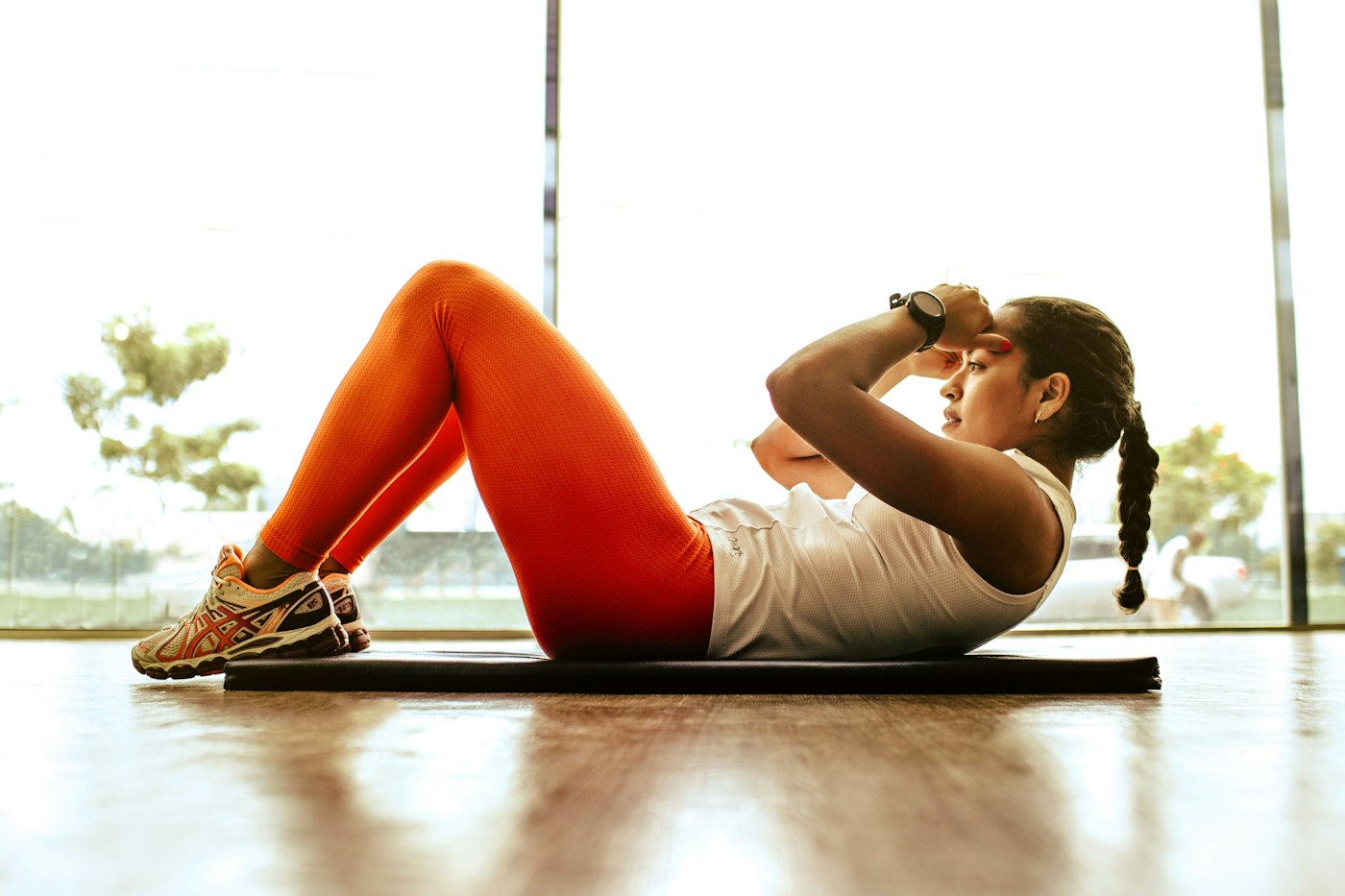
Let us be clear about what Caribbean women have achieved in sport. Shelly-Ann Fraser-Pryce won the 100 metres at two Olympic Games and is one of the fastest human beings who has ever lived. Elaine Thompson-Herah is the only woman in history to win the Olympic 100m and 200m double at consecutive Olympics. Merlene Ottey competed at the Olympic Games across four decades and won eight Olympic medals over a career of extraordinary longevity and excellence. The Jamaica Sunshine Girls have ranked in the top five netball nations in the world for over a decade. The Reggae Girlz became the first Caribbean women's team to qualify for the FIFA Women's World Cup in 2019.
This is not a modest record. This is a record of global athletic dominance produced by small island nations against opponents with vastly greater resources. On International Women's Day 2026, SportsBrain celebrates these women and asks: has the sports science infrastructure supporting Caribbean women athletes kept pace with their achievements? And what does AI offer to close the gap that has persisted for too long?
The History Behind the Day
International Women's Day has been observed since the early twentieth century, born from women's labor movements and suffrage campaigns. March 8 became the fixed date in 1917. The United Nations recognized it officially in 1977. Each year carries a global theme. In 2026, the global focus is women's participation in emerging technology, including AI and sports technology, as a requirement for genuine gender equality in the twenty-first century.
For SportsBrain, a Caribbean AI sports intelligence organization, that theme could not be more direct. Sports technology, including AI-powered performance analytics, talent identification, injury prevention, and nutrition science, is currently more advanced and more accessible in men's sport than in women's sport globally. The Caribbean reflects that global pattern. And it needs to change.
What Sports Science Has Historically Missed About Women Athletes
Sports science has a gender problem that predates AI. The foundational research in exercise physiology, nutrition, training load management, and injury prevention was conducted predominantly on male athletes. The norms and recommendations that sports scientists have worked from for decades were derived from male bodies and male physiological responses. When applied to women athletes, those norms are at best imprecise and at worst actively harmful.
The most glaring example is anterior cruciate ligament injury, the ACL tear that ends or derails careers. Women athletes tear their ACL at roughly two to three times the rate of male athletes. For years, this was accepted as a biological reality rather than a training and prevention failure. More recent research has established that hormonal cycle phase significantly affects ACL injury risk, that training programmes that do not account for cycle phase produce higher injury rates in women athletes, and that targeted prevention protocols significantly reduce that risk. Sports science designed with women athletes in mind from the beginning would have reached these conclusions decades earlier.
Nutritional science for female athletes carries similar limitations. Relative Energy Deficiency in Sport, RED-S, is a condition in which female athletes do not consume enough energy to support both training demands and basic physiological functions, leading to disruptions in hormonal function, bone density, and performance. It is more common and more damaging in women athletes than in men. Sports nutrition programmes designed for male athletes and applied to women produce higher rates of RED-S and its consequences.
AI built with women athletes in mind from the beginning, trained on data from women athletes and calibrated for female physiology, can correct for decades of sports science that did not.
Caribbean Women Athletes Deserve World-Class Sports Science
Shelly-Ann Fraser-Pryce, competing at the Jamaica Inter-Secondary Schools Boys and Girls Championships, was identified as extraordinary by coaches who recognized her talent by eye. The tracking, monitoring, and early identification processes that would have surrounded an elite track prospect in the United States or Germany were not available to her in the same way. She succeeded in spite of that infrastructure gap, not because of it.
The next generation of Caribbean women athletes deserves better. AI talent identification at the primary and prep school level, beginning the systematic identification of elite female athletic potential years earlier than current practice, creates a pipeline of identified talent with longer preparation windows. AI performance monitoring through secondary school, tracking training loads, recovery, and development across the years when technique and conditioning are being formed, gives coaches data that they cannot generate through manual observation alone.
AI nutrition planning calibrated for female athletic physiology, specific to Caribbean food systems and Caribbean athletes' dietary patterns, addresses the nutrition gap that has historically been one of the biggest limitations in Caribbean women's sport development. AI injury prevention protocols designed for women's physiological patterns, including hormonal cycle monitoring, reduce the ACL and overuse injury rates that cut short too many Caribbean women athletes' careers.
The Sunshine Girls: Netball's Case Study for AI Investment
Jamaica's Sunshine Girls are among the best netball teams on earth. They have regularly ranked in the world's top five and have produced players who compete in the Australian and English netball leagues, the most competitive club competitions in the sport. Their achievement is produced by a coaching and development infrastructure that works hard with limited resources.
Australia and England, the sport's dominant nations, are increasingly AI-driven in their preparation. AI tactical analysis of opposition formations. AI monitoring of player movement patterns and fatigue indicators during high-intensity sequences. AI-powered recovery planning. The analytical gap between the Sunshine Girls and their top-ranked opponents is not about talent. Jamaica has the talent. It is about the data infrastructure available to prepare that talent.
SportsBrain's platform can close that gap. Tactical formation analysis, player fatigue monitoring, opposition scouting intelligence, and training load management tools calibrated for netball's specific physical demands give Jamaican coaches information that currently has to be assembled manually if at all. For the Sunshine Girls to consistently challenge Australia and New Zealand at the top of the world rankings, the sports science support needs to be at the same level as the talent. AI makes that possible.
The Reggae Girlz and Women's Football
Jamaica's Reggae Girlz made history in 2019 by becoming the first Caribbean women's national team to qualify for a FIFA Women's World Cup. The programme has continued building in the years since. AI can support that continued building in ways that are specific and measurable.
AI opposition analysis for women's football has to be built on women's football data, not adapted from men's tactical models. The pressing patterns, the spatial dynamics, the physical intensity profiles, and the dominant tactical systems in women's football are different from men's football in ways that matter for preparation. AI tools trained on women's football data give Reggae Girlz coaching staff analytical intelligence that is appropriate to the game they are actually preparing for.
Talent identification across the Caribbean diaspora, identifying Jamaican heritage players competing in the United States, Canada, and the United Kingdom who might represent Jamaica, is another AI application with direct impact on programme quality. AI data tools can systematically identify diaspora prospects that manual scouting networks would miss.
What International Women's Day Should Mean for Caribbean Sports AI
International Women's Day is a day for celebration. It is also a day for commitment. SportsBrain's commitment on March 8, 2026, is to ensure that every AI tool we build for Caribbean athletes is calibrated to serve Caribbean women athletes equally, with the gender-specific intelligence that female athletic physiology requires and that Caribbean women's sport has historically been denied.
The Caribbean's women athletes have been world-class for generations despite the infrastructure gap. With AI built for them specifically, the next generation does not have to succeed despite anything. They can succeed with the full support of sports science that sees them clearly, serves them accurately, and gives them every advantage their talent deserves.
Frequently Asked Questions
What is International Women's Day and why does it matter for Caribbean sport?
Celebrated on March 8, International Women's Day recognizes women's achievements and advocates for gender equality. For Caribbean sport, it is an opportunity to celebrate extraordinary women athletes while naming the persistent gap in sports science investment between men's and women's programmes across the region.
Which Caribbean women athletes have had the greatest global impact?
Fraser-Pryce and Thompson-Herah in sprinting, Merlene Ottey across four Olympic Games, the Jamaica Sunshine Girls in netball, and the Reggae Girlz in football are among the most notable. The Caribbean's women athletes have achieved global elite status across multiple sports against opponents with far greater resources.
How can AI support Caribbean women athletes specifically?
Hormonal cycle monitoring for training load optimization, injury prevention analytics designed for female physiology, nutrition AI for women's energy systems, talent identification designed to find elite female athletes early, and performance analytics using female-specific data patterns rather than adapted male models.
Does SportsBrain's platform support women athletes?
Yes. SportsBrain's AI platform is built for all Caribbean athletes with gender-specific calibration for women athletes. Our talent identification, performance analytics, injury prevention, and nutrition AI all function with gender-appropriate intelligence for Caribbean women athletes.